Skip to product information
1 of 2

The Good Plant Company

Swamp Milkweed

Swamp Milkweed

Asclepias incarnata

Mature Size: 3–5' H x 2–3' W

Regular price $12.00 USD
Regular price Sale price $12.00 USD
Sale Sold out
Shipping calculated at checkout.
Size
Quantity

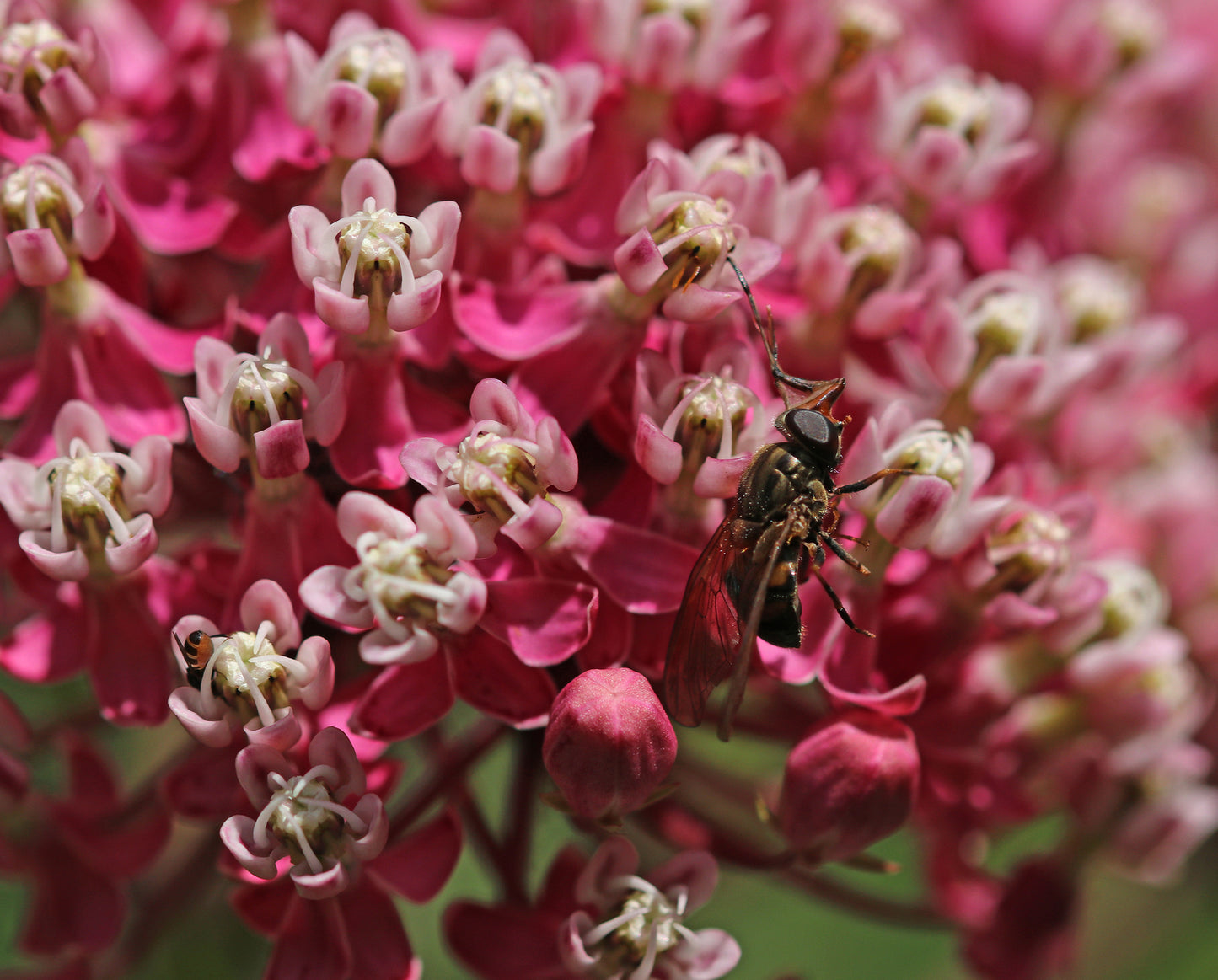
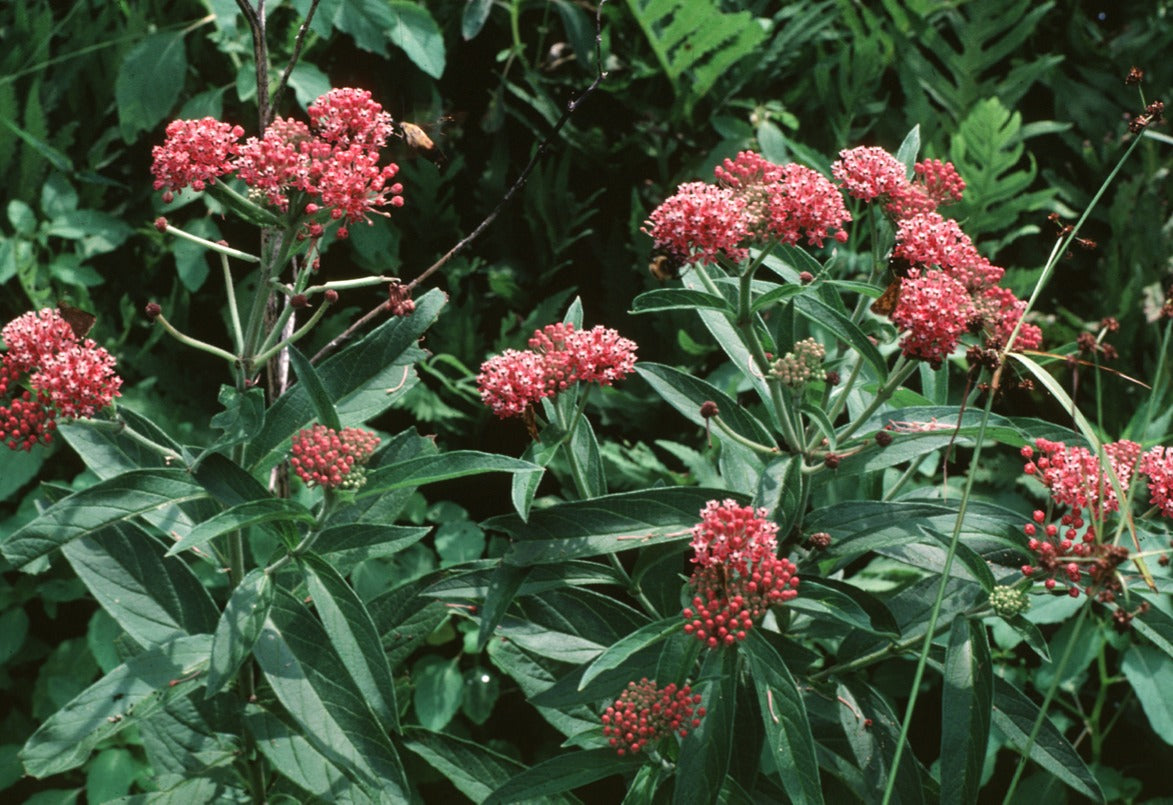
The 2005 North Carolina Botanical Garden Wildflower of the Year, Asclepias incarnata (Zones 3–9,) is a refined, sophisticated perennial for the modern native landscape. Growing in an upright, 3–5' architectural mound, it maintains a disciplined and stable form that makes it a reliable anchor for garden design. In mid-summer, it produces fragrant, vanilla-scented clusters of deep pink to mauve flowers that serve as the visual and aromatic centerpiece of the meadow.

This is a high-capacity Specialist Host and a premiere nectar hub. While it is a critical nursery for Monarch caterpillars, its leaves are smoother and more succulent than other milkweeds, making it a preferred choice for egg-laying. Beyond the Monarch, its high-sugar nectar supports a massive diversity of Great Black Wasps, Tiger Swallowtails, and native bees.

Performance & Site Care

In the Southeast, A. incarnata acts as a high-performance Stormwater Buffer. While found in marshes and along stream banks in the wild, it is surprisingly sophisticated in its adaptability to residential landscapes. It is a Clay Specialist that thrives in heavy, poorly drained areas where other plants fail, yet once its root system is established, it performs with remarkable resilience in average garden soils. It is the ideal solution for rain gardens or low spots that experience "pulse" flooding during NC summer storms. It requires full sun to maintain its rigid, upright form and prolific bloom cycle; in too much shade, the stems may lean toward the light.

View full details

Site Function

Stormwater Buffer
Intercepts surface runoff to slow water velocity, filter sediment, and promote ground infiltration.
Clay Specialist
Thrives in heavy, dense clay soils without succumbing to root rot or summer soil contraction.

Eco-Role

Specialist Host
Serves as a critical larval host for specific, highly specialized butterfly, moth, or insect species.
High-Volume Nectar
Produces heavy nectar yields to fuel high-traffic adult pollinators throughout its bloom cycle.